Happy Birthday Eirah

Today is my wife’s birthday so we decided to celebrate by having dinner at the Hudson House River Inn in Cold Spring, NY. Its website states:

Built in 1832 and operated as a hotel since then, the Hudson House River Inn is truly part of Hudson River history. The Hudson House is located on the serene waterfront approximately one hundred feet from the Hudson River in the quaint, antique shopping village of Cold Spring. When at the Hudson House you will indulge in breathtaking views of West Point, Storm King Mountain and the majestic Hudson River and mountains. The inn is currently on the National Register of Historic Places. Whether you visit Hudson House River Inn for a long weekend, a romantic dinner for two, or for a private function, we are sure Hudson House will leave a lasting memorable impression.

We arrived just as the sun was going down. It really is a charming place and the food, while not out of this world, was more than adequate.


Wider view of the Hudson House. Our table was right next to one of the windows on the front of the building.


View over the bandstand with the Hudson in the background.


Interior


The birthday girl with her healthy Ahi Tuna sashimi. My less healthy NY strip steak in the foreground.
Prints and Frames

I post pictures to this blog. I post to Flickr. I occasionally post to Facebook. But, like many people I imagine, I rarely print any of the pictures (except for the rare photobook). If I print them small they have a way of disappearing for decades in boxes and albums. If I print them larger I have nowhere to put them. So generally I don’t print.

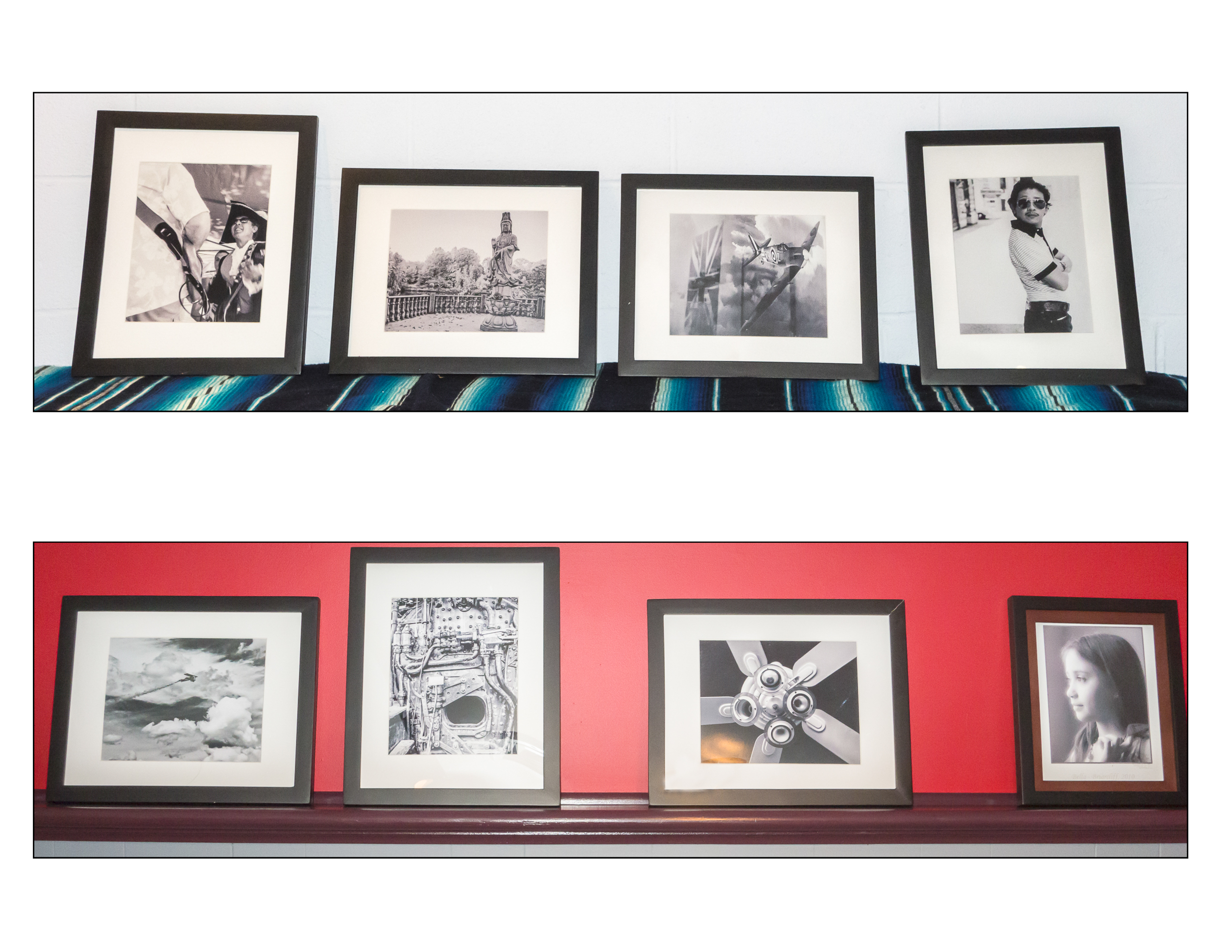
Just lately we did some work on our basement and this gave a little more space for putting up pictures. I didn’t want to spend a lot of time and effort into it, but I had the urge to see what some of my pictures would look like up on the wall. I bought a couple of inexpensive frames from Amazon.com, had a few “quickie” 8x10s done at Walmart and CVS and put them in the frames.

I haven’t hung them yet, let alone thought about a good way of lighting them. But even just propped up I like the way they look. It’s completely different from viewing on screen.

I think I’ll do some more.

Fascinating documentary on William Klein


I very much enjoyed this documentary. He seems like an interesting guy with a good sense of humor and the photographs are great.

When I watch such documentaries I almost always get a little bit depressed. This is because of the gulf between my efforts and theirs. It’s not that my pictures are truly awful. I’ve seen many that are much worse than mine. Rather it’s that my photographs don’t say anything and lack the impact that those of great photographers have. You don’t want to look at them twice. Still I guess we can’t all be great so I’ll just have to continue and see the extent to which I can improve.

Storm King Arts Center, New Windsor, NY


The Storm King Arts Center proclaims:

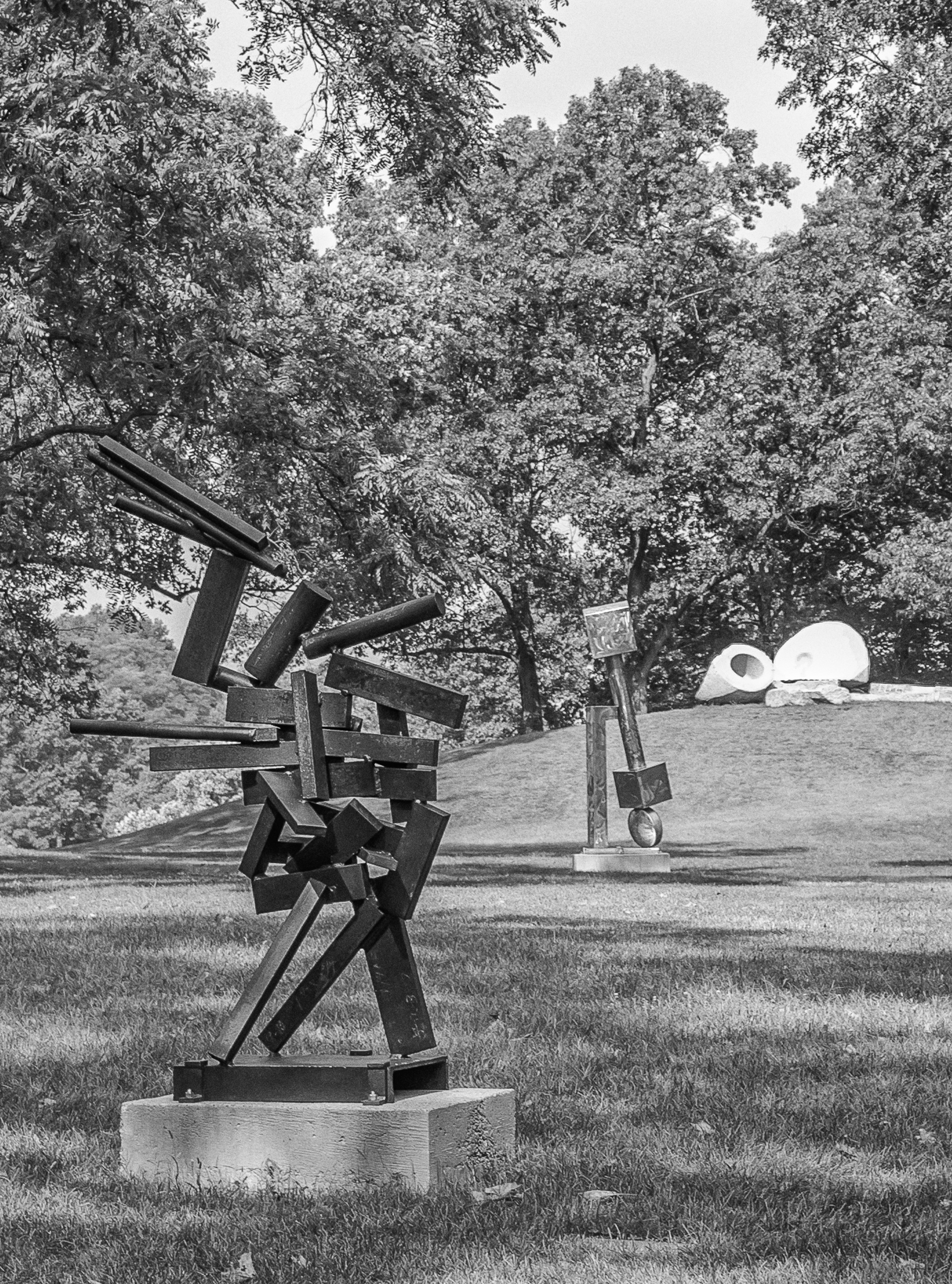
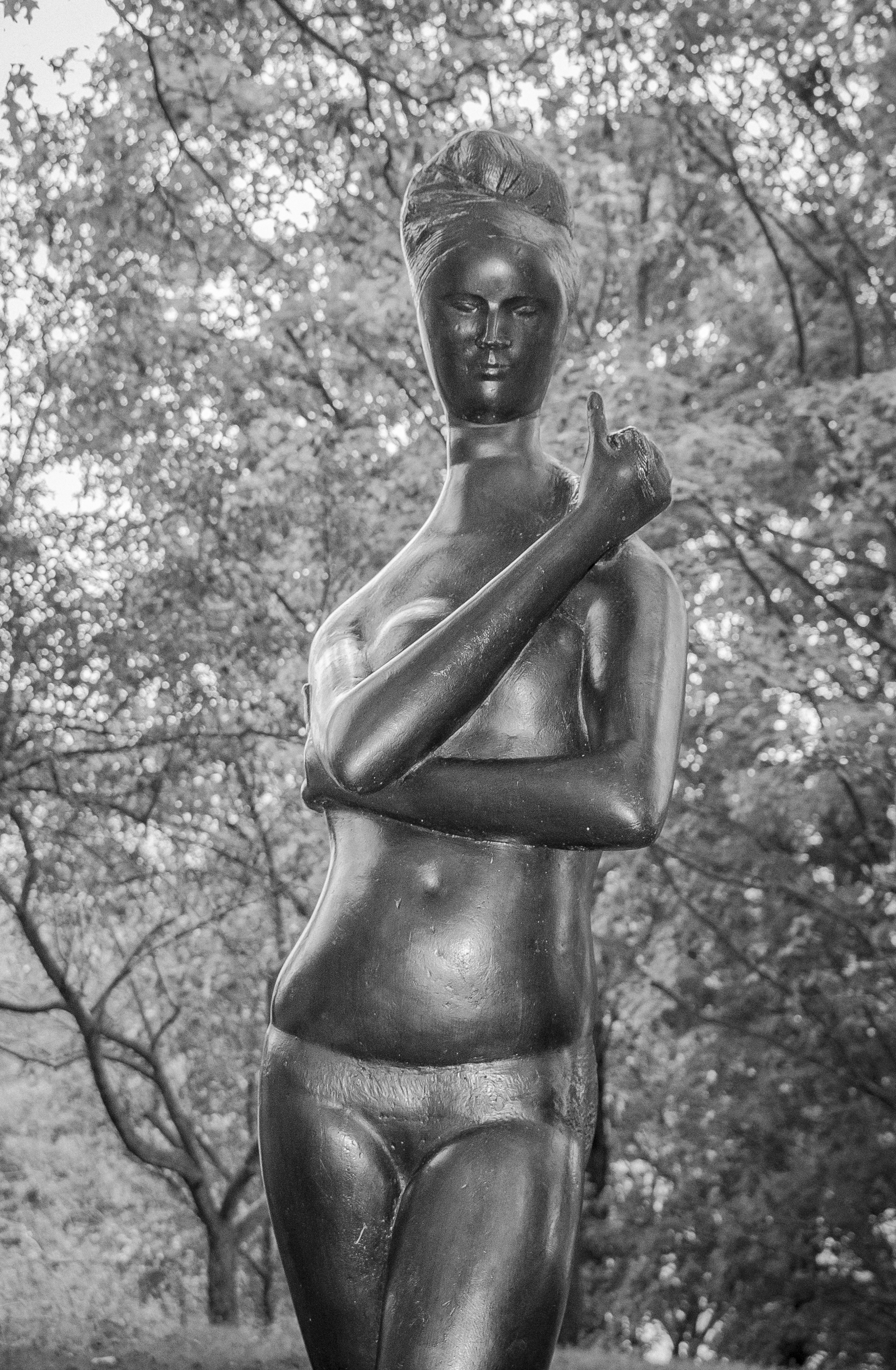
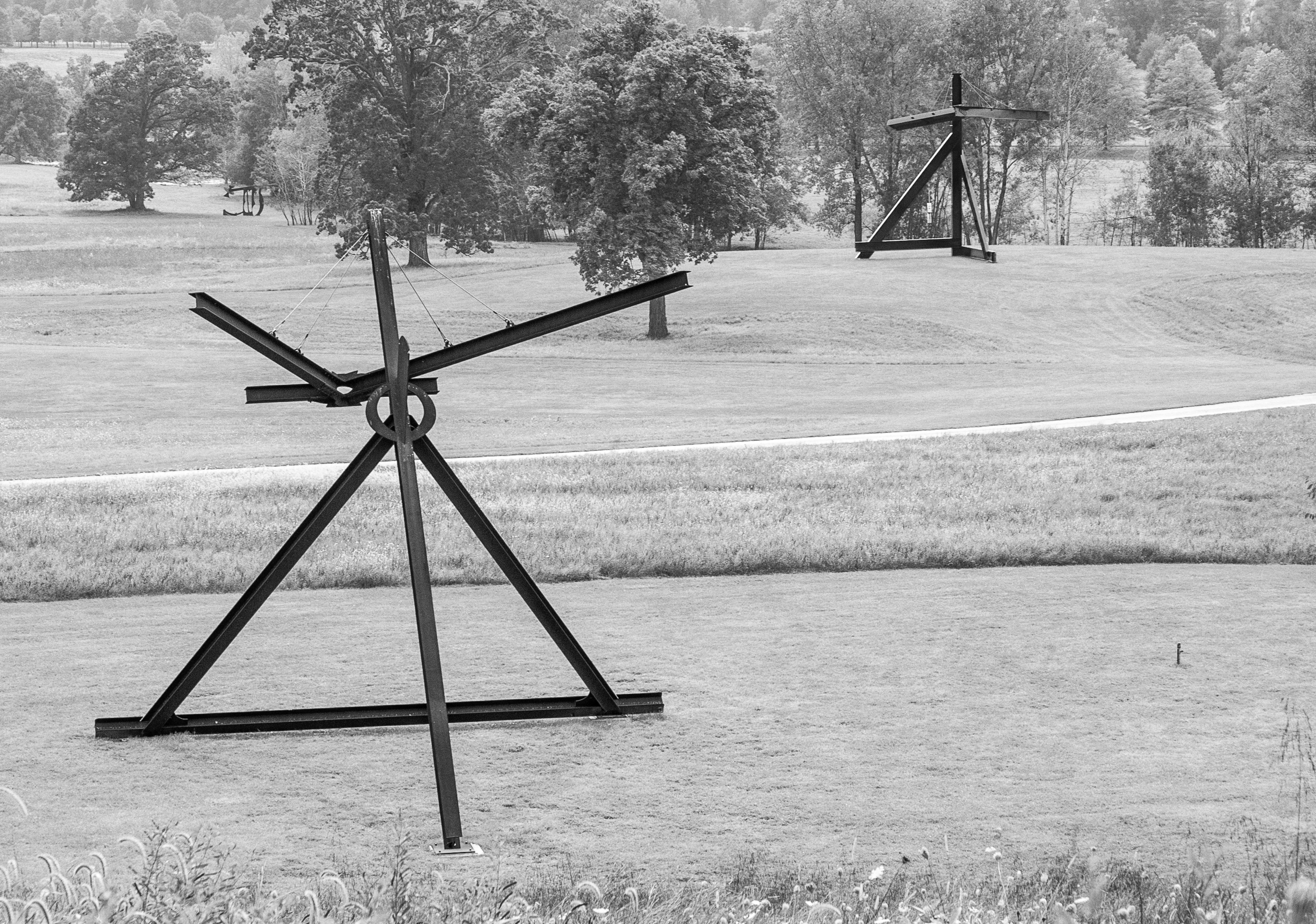
Widely celebrated as one of the world’s leading sculpture parks, Storm King Art Center has welcomed visitors from across the globe for fifty years. It is located only one hour north of New York City, in the lower Hudson Valley, where its pristine 500-acre landscape of fields, hills, and woodlands provides the setting for a collection of more than 100 carefully sited sculptures created by some of the most acclaimed artists of our time.

The nonprofit Storm King Art Center was founded and opened to the public in 1960, thanks to the efforts of the late Ralph E. Ogden and H. Peter Stern, co-owners of the Mountainville-based Star Expansion Company.

The initial gift of what is today the Museum Building and its surrounding property was made by the Ralph E. Ogden Foundation, Inc. Over time, Star Expansion Company donated 300 contiguous acres, as well as 2,100 acres of Schunnemunk Mountain (now owned by the State of New York and designated Schunnemunk Mountain State Park) that preserve Storm King Art Center’s view-shed.

Although Storm King was originally envisioned as a museum devoted to Hudson River School, by 1961 its founders had become committed to modern sculpture. Early purchases were sited directly outside the Museum Building as part of a formal garden scheme. However, with the 1966 purchase of thirteen works from the estate of sculptor David Smith (1906¬1965), Storm King began to place sculpture directly in the landscape. Since then, every work has been sited with consideration of both its immediate surroundings and distant views.

Fifty years after its founding, Storm King continues to grow and evolve, and is among the world’s leading sculpture parks.

Some of sculptures are truly impressive. It’s not often that you see such large sculptures surrounded by so much open space. Taken in 2008 with a Konica Minolta 5D

Old Brandreth Pill Factory, Ossining NY


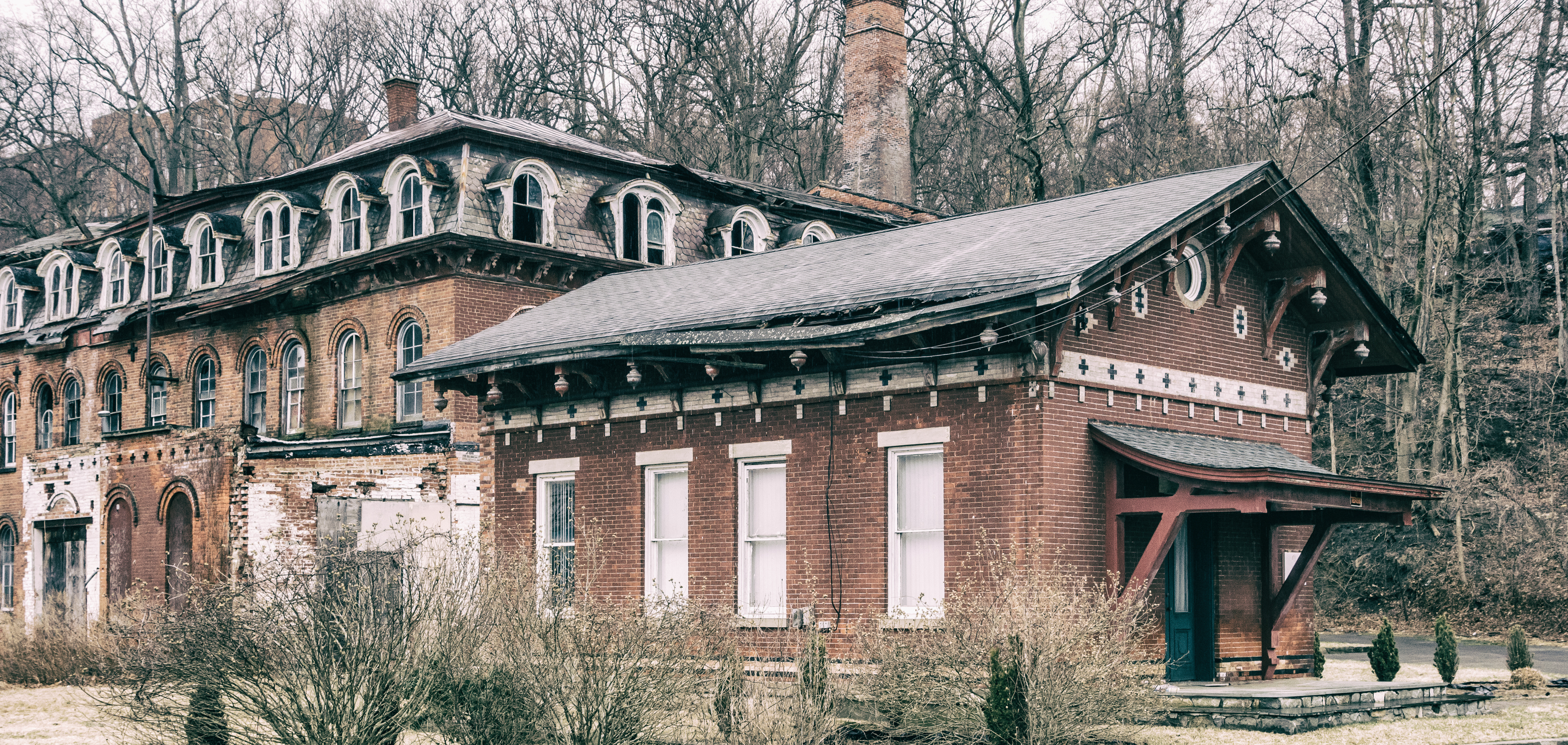
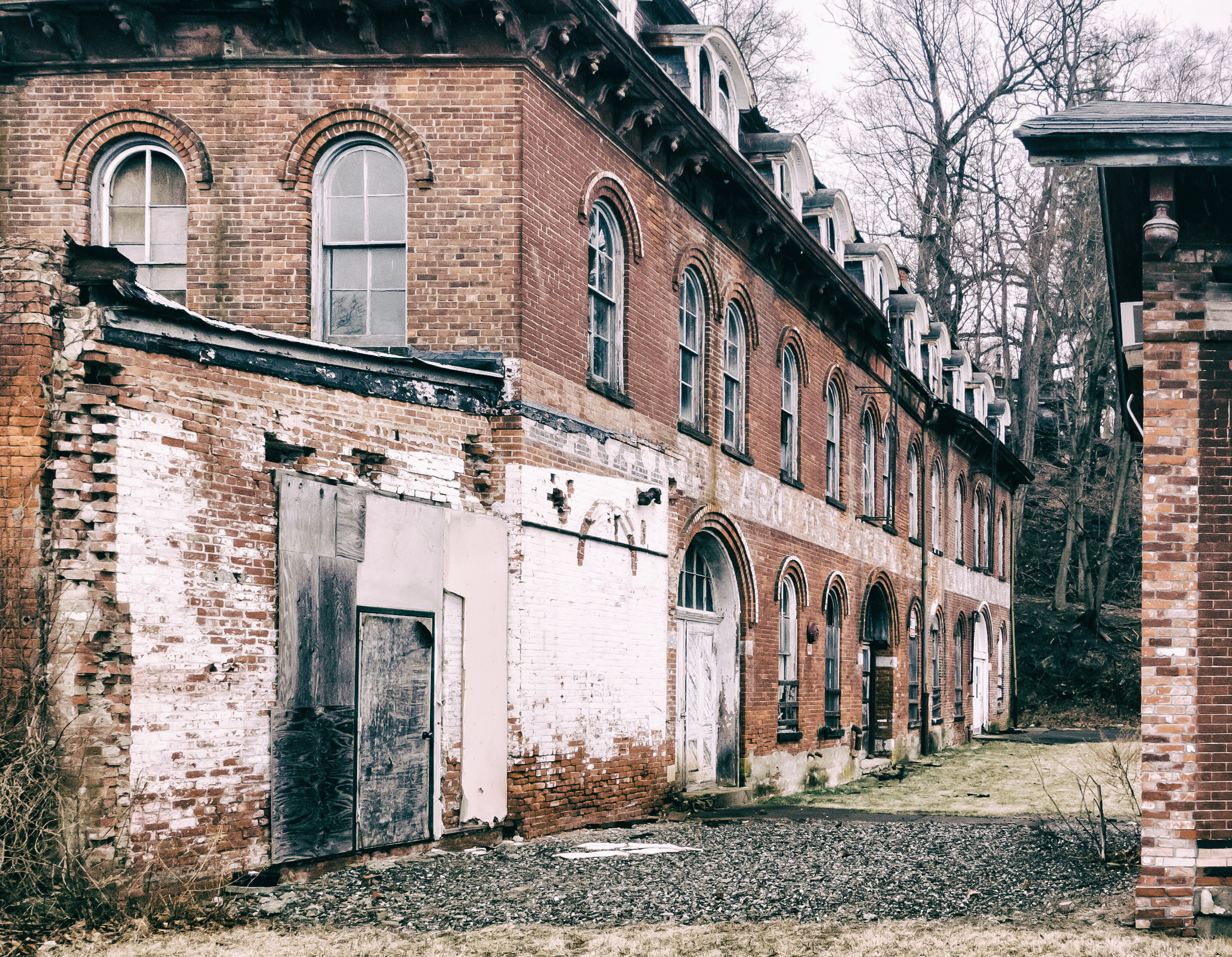
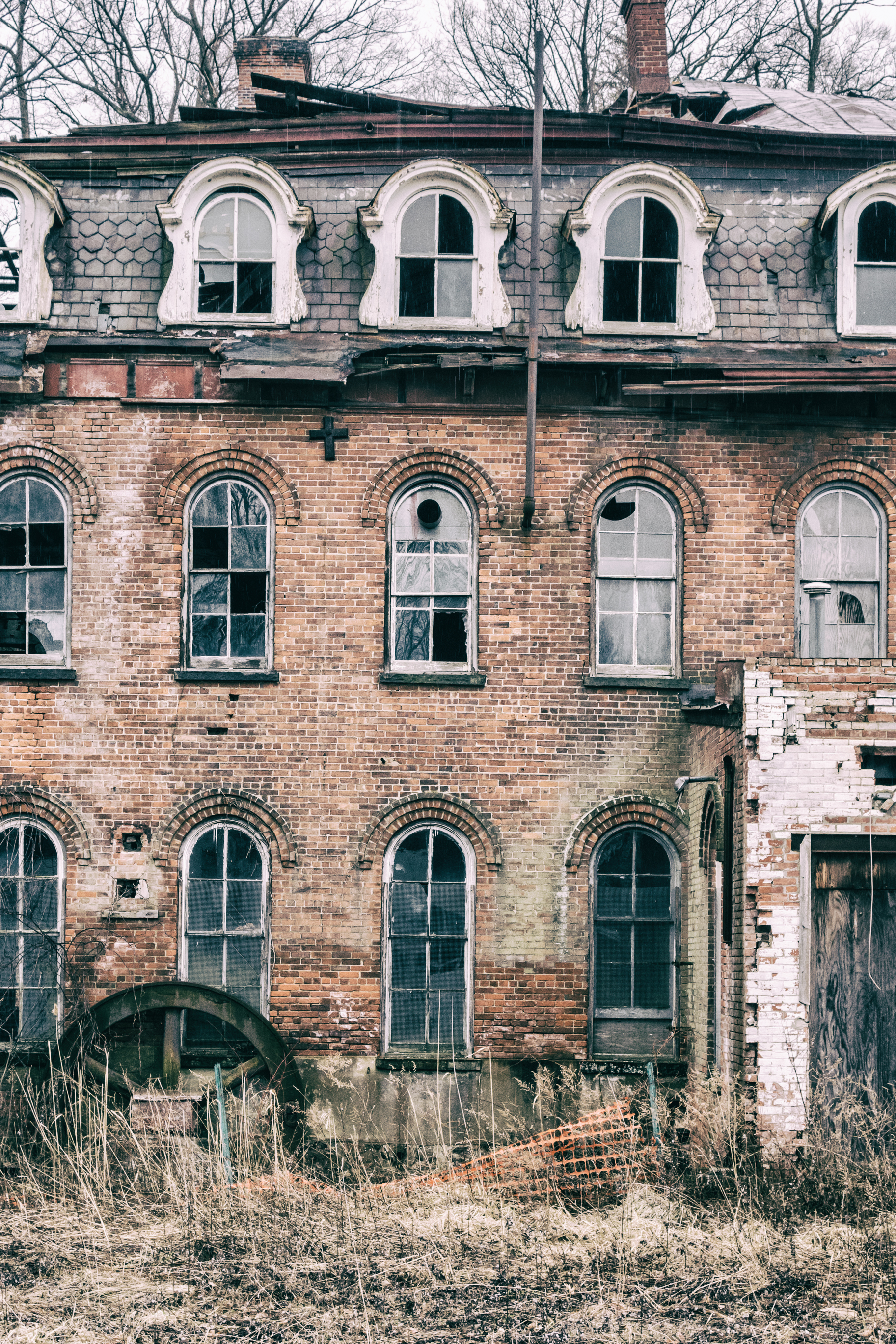
This is the former Brandreth Pill Factory in Ossining, NY. According to Wikipedia:

The former Brandreth Pill Factory is a historic industrial complex located on Water Street in Ossining, New York, United States. It consists of several brick buildings from the 19th century, in a variety of contemporary architectural styles. In 1980 it was listed on the National Register of Historic Places.

Most of the original buildings succumbed to fire in the 1870s, but the oldest, a Greek Revival building possibly designed by Calvin Pollard in the 1830s, remains. Nearby is a corrugated iron structure that may be the earliest use of that material in Westchester County.The main building itself was one of the first to have Otis elevators installed.

Benjamin Brandreth made his family’s popular medicine, said to treat blood impurities, at the factory, starting in the 1830s. The factory’s construction was the beginning of the industrial development of the Ossining waterfront. It continued to be used for manufacturing until the 1940s. Some of the smaller buildings remain in use today, although the former main building is vacant. The village is considering a proposal to convert it to green housing.

An article by former Ossining Mayor Miguel Hernandez paints a bleak picture. In it he says:

One of the major concerns of the neighbors is that it appears that Plateau Associates has engaged in the practice of “Demolition By Neglect” by failing over the years to protect the building from unchecked ruin. Apparently, they made no efforts to fix the leaking roof, the broken windows and other apertures that let damaging weather elements, animals and unauthorized persons into the structure. In this way, they could later make a claim that it is not economically feasible to adaptively reuse the historic factory for housing, as they originally stated several years ago. Demolition by neglect occurs when an owner, with malicious intent, lets a building deteriorate until it becomes a structural hazard and then turns around and asserts the building’s advanced state of deterioration as a reason to justify its demolition.